The Attendee Experience Playbook: Five Principles for Memorable Events
Attendee experience is the core product of any event. Audiences show up for relevance, stay for ease and connection, and return when moments feel uniquely theirs. This playbook turns experience into a discipline built on five principles that can be applied from strategy and design through on-site delivery and post-event follow-up.
Attendee perspective
Begin every decision by asking how it feels from the attendee’s point of view. Identify key personas and their goals, then validate assumptions with pre-event micro-surveys, brief interviews, and a small advisory group. Translate insights into tangible choices such as session length, content depth, seating comfort, accessibility, and wayfinding.
Keep feedback loops short—pulse checks during the event and concise post-session surveys help teams adapt pacing, facilitate more Q&A, or open quiet spaces when needed.
Learn how to design presentations that land with every audience.
Ease of experience
Friction breaks immersion. Streamline registration, clarify communications, and ensure that schedules, maps, and updates live in one reliable place. Use signage and language that favors clarity over cleverness. Staff should be visible, empowered, and trained to resolve issues quickly.
Comfort details matter: appropriate seating, hydration and coffee points, clear dietary labeling, waste stations, and consistent housekeeping. Accessibility belongs in the baseline—captioning, step-free routes, quiet rooms, and sensory considerations signal that all participants are planned for.
Opportunities for connection
Great events engineer meaningful collisions. Offer a mix of structured and serendipitous formats so different personalities can connect without pressure. Start with icebreakers that put names to faces early, then layer in facilitated roundtables, topic tables, and short 1:1 match rounds.
Place comfortable lounges near high-traffic corridors, with clear signage so people can find each other intentionally. Encourage presenters to leave time for open questions and peer sharing. If any portion is hybrid, mirror connection with moderated virtual lounges and small-group breakouts instead of relying on passive chat alone.
The wow factor (uniqueness)
Memorability doesn’t require spectacle; it requires specificity. Choose elements that reflect the audience, brand, and place. A distinctive venue or transformed space sets tone, while local food, music, and makers bring texture. Consider a purposeful cold open, a cohesive visual language, or a surprise moment that ties directly to the event’s theme.
Wellness can be a differentiator when it’s thoughtful—guided stretch breaks, meditation nooks, or short outdoor resets keep energy balanced without derailing flow.
Immersion
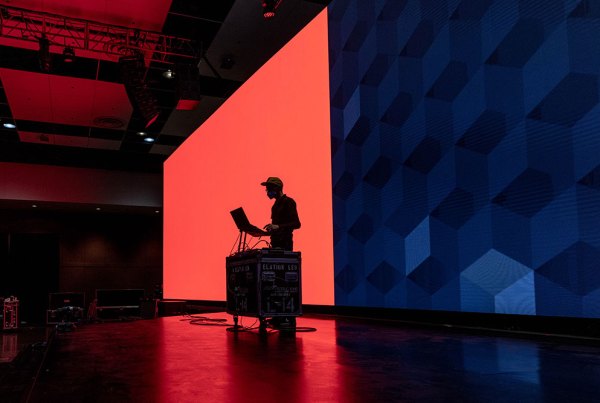
Immersion means attention stays inside the world of the event. Achieve it by aligning content, environment, and interactivity. Stage and light for human eyes and cameras, keep transitions tight, and design segments that invite participation—polls, live demos, co-creation exercises, and tactile activations.
Use a narrative arc across the day, anchored by a host who connects sessions, celebrates progress, and previews what’s next. Afterward, deliver recordings, highlights, and resources quickly so learning continues and momentum compounds.
Measuring and improving experience
Make experience measurable. Track session attendance and completion, Q&A volume, dwell time in spaces, networking participation, and satisfaction scores by persona and track. Pair numbers with qualitative signals—short text feedback, QR stations for quick comments, and social listening.
Close the loop with a cross-functional debrief that prioritizes a small set of improvements for the next iteration, then communicate what changed so participants see their fingerprints on the program.
Example flow (single-day format)
Open with a high-energy welcome and a keynote shaped for interaction, then move into role- or track-based breakouts that match depth to audience needs. Keep midday social and purposeful with topic tables, sponsor micro-demos, and quiet recharge zones.
In the afternoon, favor labs, roundtables, or live case builds that translate ideas into action. Close with concise takeaways and a social component that includes both active and quieter options.
FAQs
- How can attendee input shape the event without slowing decisions?Collect directional input through short pre-event surveys and on-site pulse checks, then empower a small “experience desk” to implement same-day improvements. Save larger structural changes for the next iteration and document them in the debrief.
- What are simple ways to add a wow factor on a tight budget?
Lean on local culture and smart stagecraft. A cohesive visual look, camera-friendly lighting, curated music cues, and a signature ritual—like a collective vote or reveal—create memorable moments without heavy costs.
- How do introverts find networking comfortable and useful?
Offer varied formats—smaller facilitated circles, clearly labeled topic tables, and scheduled 1:1 matches with prompts. Provide quiet spaces and share objectives in advance so participants can prepare and opt in with confidence.
- Which metrics best reflect a strong attendee experience?
Look for session completion and return rates, volume and quality of interactions, dwell time in experiential areas, and satisfaction by persona. Post-event indicators, such as content consumption, referrals, and meeting follow-ups, validate impact beyond the show day.