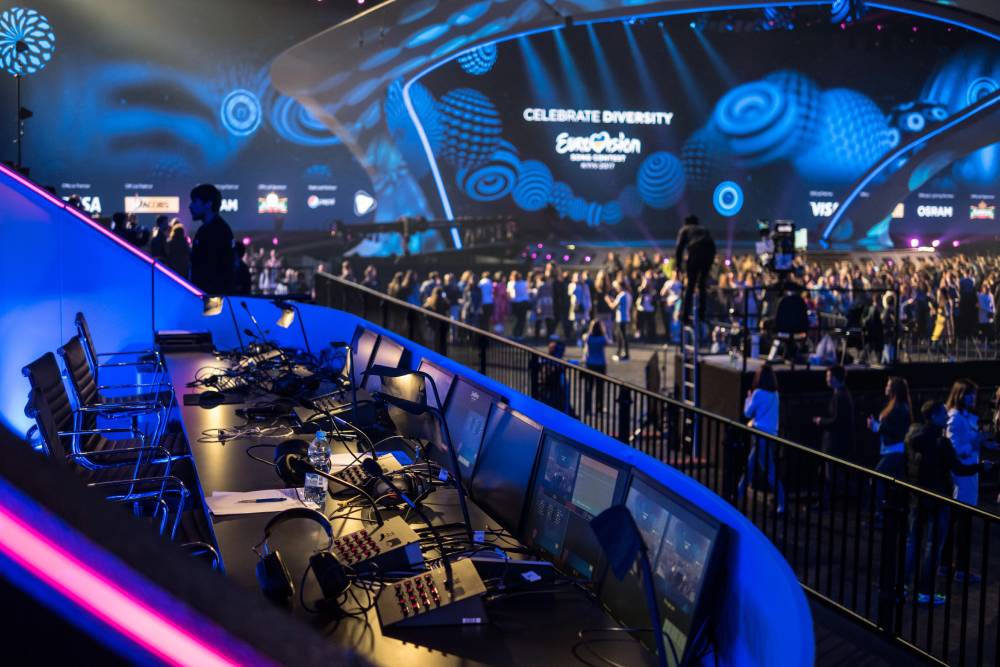
Understanding how audio visuals enhance events begins with recognizing how people absorb information during live experiences. Visual cues, sound quality, and spatial design guide attention and shape memory. When aligned with purpose, the audio visual experience supports focus, reinforces messaging, and creates moments that resonate long after the room clears.
Thoughtful production planning considers audience behavior, room dynamics, and communication goals together. That alignment allows audio visual needs to support engagement rather than distract from it. Corporate environments benefit most when visuals and sound work together to support clarity, comfort, and intention throughout the event lifecycle.
Creating Immediate Audience Connection
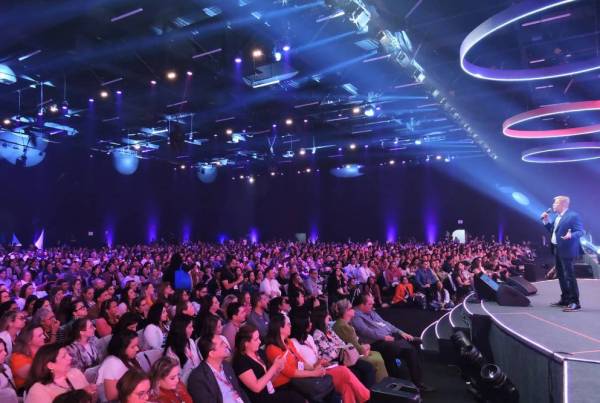
Visual stimulation captures attention faster than spoken words alone during live gatherings. Large-format screens, purposeful lighting, and well-timed transitions create a shared focal point. This approach helps audiences settle into the experience quickly and feel connected to the message from the opening moment.
Sound design plays an equal role in audience connection and comfort. Clear audio delivery supports understanding across varied seating areas. When visuals and audio align, attendees remain attentive and responsive without feeling overwhelmed or disengaged by competing sensory inputs.
Supporting Clear Message Delivery
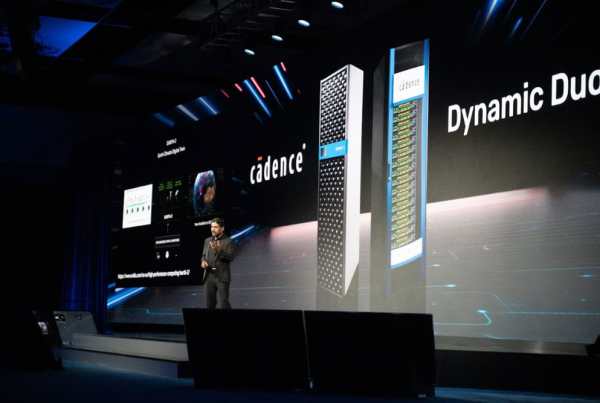
Strong visuals reinforce spoken content and help audiences follow complex ideas. Graphics, motion elements, and on-screen prompts structure information in ways that feel approachable. This balance reduces mental fatigue while keeping participants focused on key themes throughout the program.
Audio clarity supports pacing and comprehension across diverse room layouts. Microphone selection, speaker placement, and sound balance shape how messages land. Together, these elements transform presentations into cohesive experiences that respect both content and audience attention.
Enhancing Emotional Engagement
Emotion drives memory, and audio visuals shape emotional response during live events. Lighting temperature, video storytelling, and sound cues influence mood without overpowering the message. When handled thoughtfully, these elements create moments of emphasis that feel intentional rather than theatrical.
Emotional engagement strengthens audience connection to speakers and brands. Visual rhythm and audio texture support storytelling by guiding energy levels throughout the agenda. This layered approach allows events to feel dynamic while remaining aligned with professional expectations.
Adapting to Diverse Event Spaces
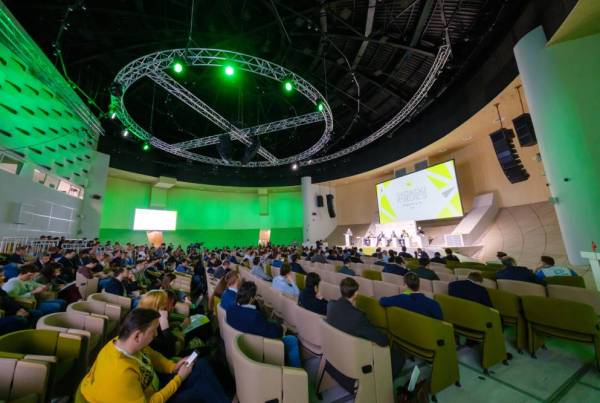
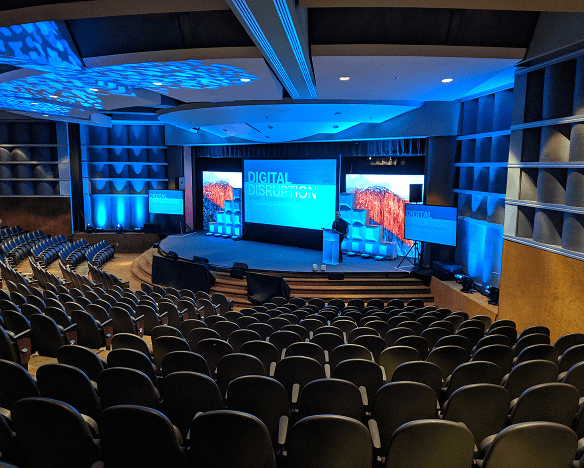
No two venues behave the same acoustically or visually. Audio visual planning adapts technology to room size, ceiling height, sightlines, and seating layout. This adaptability allows the audio visual experience to feel consistent regardless of physical constraints.
Pre-event studies help align technology with space behavior. Coverage maps, seating studies, and 3D drawings clarify how visuals and sound interact with architecture. These tools allow teams to plan confidently while minimizing surprises during live execution.
Strengthening Audience Focus
Visual hierarchy directs where audiences look and when. Screen placement, content timing, and lighting cues guide attention without verbal instruction. This structure helps maintain focus during long sessions or multi-speaker agendas.
Audio consistency further supports sustained engagement. Balanced sound levels prevent listener fatigue and distraction. When combined, visual and audio elements help audiences stay present and receptive throughout the event schedule.
Encouraging Interaction and Participation
Interactive visuals invite audiences to engage rather than observe passively. Live polls, dynamic content displays, and real-time visuals create opportunities for participation. These moments foster a connection between attendees and presenters.
Audio support reinforces interaction by allowing voices to be heard clearly. Question and answer sessions, panel discussions, and moderated dialogue benefit from thoughtful sound reinforcement. Together, these elements make participation feel natural and accessible.
Reinforcing Brand Identity
Audio visuals translate brand values into tangible experiences. Color palettes, motion styles, and tone consistency reinforce identity throughout the event. This alignment strengthens recognition without relying on overt messaging.
Sound design complements visual branding through music selection and pacing. These choices influence perception subtly while supporting professionalism. Corporate event production audio visual strategies benefit when branding feels integrated rather than imposed.
Improving Executive-Level Experiences
Executive audiences expect precision, comfort, and discretion. Audio visuals support these expectations by minimizing distractions and supporting smooth communication. Clean sightlines and controlled sound environments contribute to confident delivery.
High-touch production emphasizes preparation and adaptability. Technical rehearsals, contingency planning, and attentive on-site support allow leadership teams to focus on content. This approach reflects white-glove standards aligned with executive environments.
Supporting Hybrid and Scalable Formats
Modern events often blend in-room and remote audiences. Audio visuals bridge this gap by aligning visuals and sound across formats. Consistency helps remote participants feel included rather than secondary.
Scalable systems allow events to expand without redesign. Visual feeds, audio routing, and platform integration support flexibility. This adaptability supports changing audience needs while maintaining a cohesive experience.
Driving Long-Term Event Value
Events extend beyond their scheduled timeframe through recorded content and post-event sharing. High-quality visuals and audio increase the usability of recorded material. This longevity supports internal communication and external outreach.
Planning with future use in mind shapes production decisions. Camera framing, lighting balance, and sound capture support content reuse. This foresight increases return on effort while maintaining quality standards.
Turning Planning into Measurable Impact
Audio visuals transform planning into tangible outcomes when aligned with strategy. Technical tools like Vectorworks demonstrations and coverage planning guide informed decisions. These insights reduce uncertainty while supporting creative direction.
Collaboration between creative and technical teams strengthens execution. Shared understanding allows ideas to translate smoothly into live environments. This balance shapes events that feel intentional, polished, and aligned with objectives.
Aligning Technology with Event Objectives
Successful events begin with clear objectives that guide every technical decision. Audio visuals align technology choices with communication goals, audience size, and program flow. This alignment helps visuals and sound reinforce intent instead of competing with content or pacing.
Planning tools translate goals into actionable technical plans. Signal flow, screen placement, and audio distribution reflect how messages should land. When objectives shape technical direction, the audio visual experience feels purposeful, balanced, and supportive of the overall event strategy.
Corporate Event Planning that Unites Creative Vision and Technical Precision
At AVT Productions, our corporate event planning services combine creative vision with technical planning to shape engaging experiences from concept through execution. Our event space studies and planning solutions support confident decisions rooted in real-world environments. Contact us to discuss how our team can support your next event with insight, care, and purpose.